The Best Ways to Clean Fences Without Causing Damage
Maintaining a clean, structurally sound fence in Ballina, NSW, presents unique challenges. The Northern Rivers region is renowned for its humid subtropical climate, coastal salt air, and frequent rainfall. These elements combine to accelerate the buildup of salt spray, black mould, green algae, and lichen on residential boundaries. While regular cleaning is essential to prevent premature deterioration, improper techniques can strip protective coatings, splinter timber, or void manufacturer warranties. Implementing non-destructive cleaning methods ensures your fence stays pristine while safeguarding its structural integrity.

Match the Cleaning Technique to the Material
Different fencing materials require specific care protocols. Using a one-size-fits-all approach is the most common cause of surface degradation.
Timber Fencing
Natural hardwoods and treated pine are susceptible to gouging, splintering, and water ingress. High-pressure washing often tears the soft grain of damp timber, leaving a fuzzy, rough texture that invites even more organic growth. Instead, opt for a soft-wash technique using an eco-friendly oxygen-based wash or a biodegradable timber cleaner. These agents break down fungal spores without bleaching the wood or killing surrounding garden foliage.
Colorbond and Coated Metal Fencing
Colorbond is ubiquitous across coastal New South Wales due to its durability. However, ocean breezes carry airborne salts that settle on metal sheets, especially beneath the top rail where rain does not naturally rinse them. To clean Colorbond without scratching the organic finish, avoid wire brushes or abrasive scouring pads. Use a mild car-wash detergent or specialized exterior surface wash combined with a soft-bristled wash broom and a standard garden hose.
PVC and Composite Fencing
Synthetic fencing resists rot and corrosion, but the outer vinyl layer can become brittle or stained when exposed to https://juliuslseh082.greyhavendaily.com/posts/the-best-ways-to-clean-fences-without-causing-damage harsh industrial chemicals. A gentle wipe-down using warm water, a mild dishwashing liquid, and a microfibre cloth or soft sponge removes surface stains without dulling the protective gloss finish.
Step-by-Step Safe Fence Cleaning Process
Adhering to a structured routine prevents chemical damage to grass and garden beds while ensuring a uniform, streak-free result.
- Pre-wet Surrounding Vegetation: Thoroughly saturate nearby turf, shrubs, and garden soil with fresh water. Saturated roots cannot absorb runoff containing cleaning detergents.
- Apply a Low-Pressure Cleaning Solution: Apply your chosen cleaning solution from the bottom upward using a pump sprayer. Working upward prevents streaking as the solution dwells on the surface.
- Allow Adequate Dwell Time: Let the detergent sit for 10 to 15 minutes to actively dissolve algae and salt crusts without allowing the surface to dry completely.
- Agitate Gently: Use an extendable, soft-bristled brush to loosen persistent dirt, spider webs, and lichen patches.
- Rinse with Low Pressure: Wash away residue thoroughly from the top down using a regular garden hose fitted with an adjustable spray nozzle, ensuring no detergent residue remains.
Mistakes That Ruin Fences
Homeowners often attempt quick fixes that result in costly repairs or premature replacement. Being mindful of these pitfalls protects both your fence and your property value.
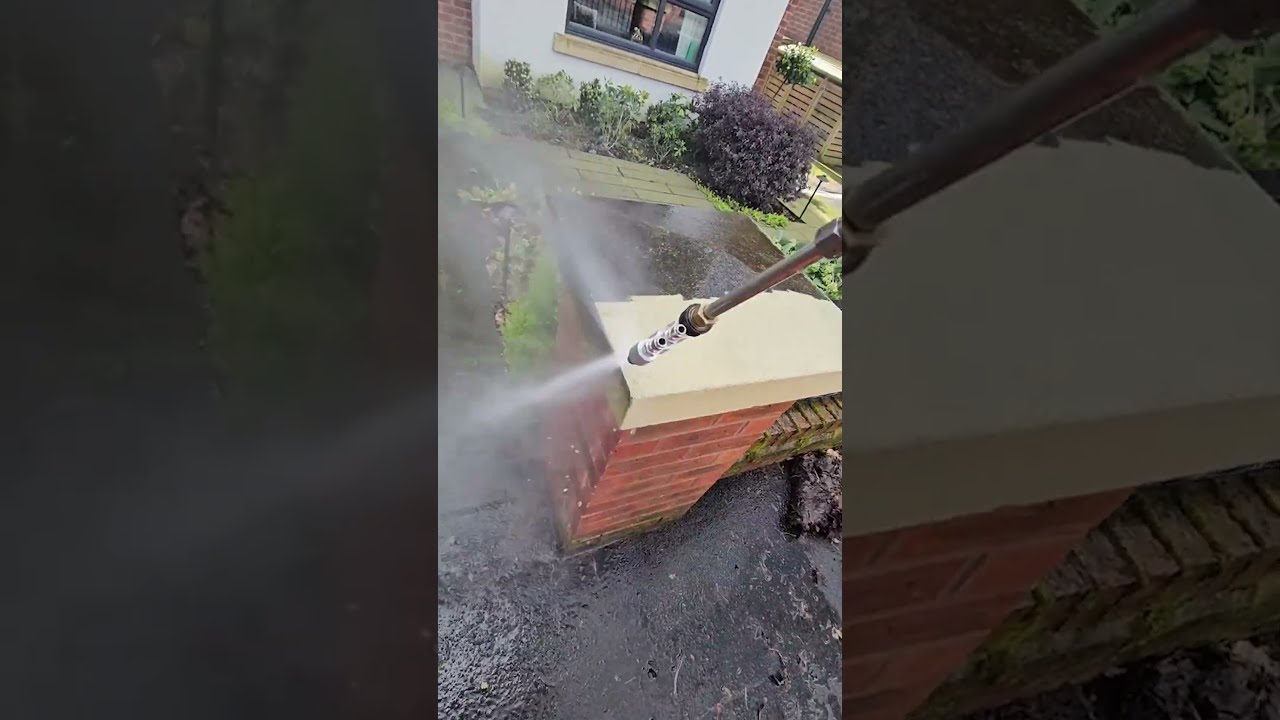
- Using Turbo Nozzles at Point-Blank Range: Commercial pressure washers set above 1,500 PSI can easily punch holes through aged timber, strip Colorbond powder coatings, or crack vinyl slats.
- Relying on Undiluted Chlorine Bleach: Concentrated household bleach leaches natural tannins from hardwood, corrodes metal fixings, and leaves behind toxic chemical runoff in coastal waterways.
- Scrubbing Dry Surfaces: Scrubbing salt-encrusted panels without prior rinsing drags sharp salt crystals across the surface, creating micro-abrasions that lead to premature oxidation.
- Ignoring Seasonal Washing Schedules: Waiting until mould forms thick crusts makes cleaning significantly harder, requiring harsher agitation than a bi-annual maintenance wash would require.
Long-Term Preservation in Coastal Environments
For properties near the Richmond River or Ballina’s coastline, regular maintenance is cheaper than restoration. Rinse metal fences every two to three months with clean tap water to remove corrosive marine salts. For timber fences, apply a premium penetrating oil or water-repellent sealant every two years to block moisture absorption. By combining low-pressure cleaning strategies with routine rinsing, you can protect your boundary investment against Ballina’s coastal weather for years to come.

Ballina Pressure Cleaning
0440 133 837